
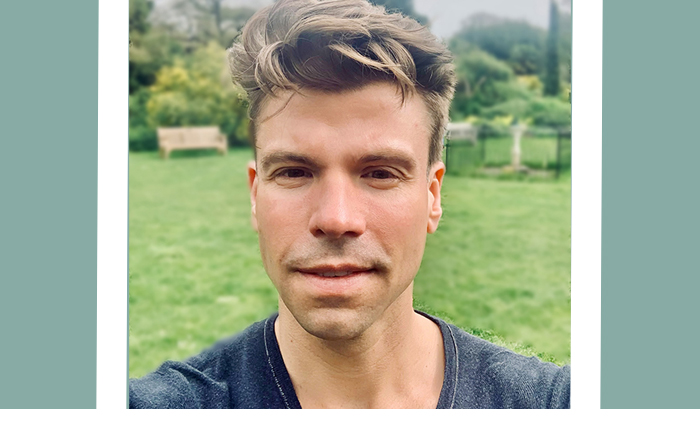
Michael Wallace | MSc, Adv Dip, Humanistic and Integrative Psychotherapy College, UKCP Accredited Psychotherapeutic Counsellor, MBACP Registered
Hello, and welcome. I'm Michael Wallace. As a psychotherapeutic counsellor trained in Person-Centred Experiential Counselling, I work with clients in a way that is deeply relational, compassionate, and attuned to their emotional experiencing.
This approach is grounded in the values of empathy, unconditional positive regard, and congruence, while also incorporating focused methods to help clients engage more deeply with their emotional world. It’s a NICE-recommended treatment for psychological distress, and it is rooted in the belief that people have an innate capacity for growth and healing, given the right relational conditions.
Training, Experience, and Professional Background
I am a Clinical Member of the United Kingdom Council for Psychotherapy (UKCP) and an Accredited Member of the British Association for Counselling and Psychotherapy (BACP). I also hold Graduate Membership of the British Psychological Society (GMBPsS), demonstrating adherence to the Society’s professional and academic standards.
I deliver therapeutic services backed by over 1000+ hours of client work and accreditation from leading professional governing bodies in the field. I hold extensive training and professional recognition to ensure the provision of high-quality, evidence-informed interventions tailored to the unique needs of each client.
Regardless of the setting, therapy is approached with care, consistency, and respect for each client’s pace and process.
Clinical Skills Practice Development Tutor
As a Clinical Skills Practice Development Tutor at Metanoia Institute, I support the professional growth of trainee counsellors undertaking the PCE-CfD programme. My role involves providing developmental feedback, facilitating experiential learning, and modelling the relational depth and process sensitivity that underpin the PCE-CfD approach.
I work closely with trainees to help them integrate theoretical understanding with embodied therapeutic practice, focusing on moment-to-moment process awareness, empathic attunement, and fidelity to the PCE-CfD model. Through skills observation, guided reflection, and collaborative dialogue, I encourage each student to deepen their capacity for presence, congruence, and emotional responsiveness within their client work.
My approach as a tutor emphasises supportive challenge, promoting self-reflection and confidence while maintaining a clear focus on clinical competence and ethical awareness. This developmental work contributes to the professional formation of practitioners who can offer effective, evidence-based person-centred experiential therapy for individuals experiencing depression.
Values and Therapeutic Ethos
I work ethically and responsibly, guided by recognised professional standards and a strong commitment to client wellbeing. This includes maintaining clear boundaries, protecting confidentiality, and engaging in regular supervision and ongoing professional development to support safe and reflective practice.
I hold full professional indemnity and public liability insurance, ensuring that my work is covered in line with professional requirements. This is part of my wider commitment to practising responsibly and providing a reliable, professionally supported counselling service.
Above all, I value the therapeutic relationship itself. I see counselling as a space where understanding, trust, and emotional safety allow meaningful change to emerge over time.
Outside the Therapy Room
Outside the therapy room, I value the same qualities that shape my work as a counsellor: curiosity, reflection, and connection. I believe that staying grounded in everyday life helps me remain present, responsive, and emotionally available in my work with clients.
I make space for reflection and learning beyond formal training, staying engaged with ideas, conversations, and experiences that deepen my understanding of what it means to be human. This ongoing personal awareness supports me to meet each client with openness rather than assumption.
While counselling is a professional relationship with clear boundaries, I recognise that who I am as a person matters. Bringing warmth, authenticity, and attentiveness into the therapeutic space is informed by how I live outside it — thoughtfully, responsibly, and with care for myself and others.